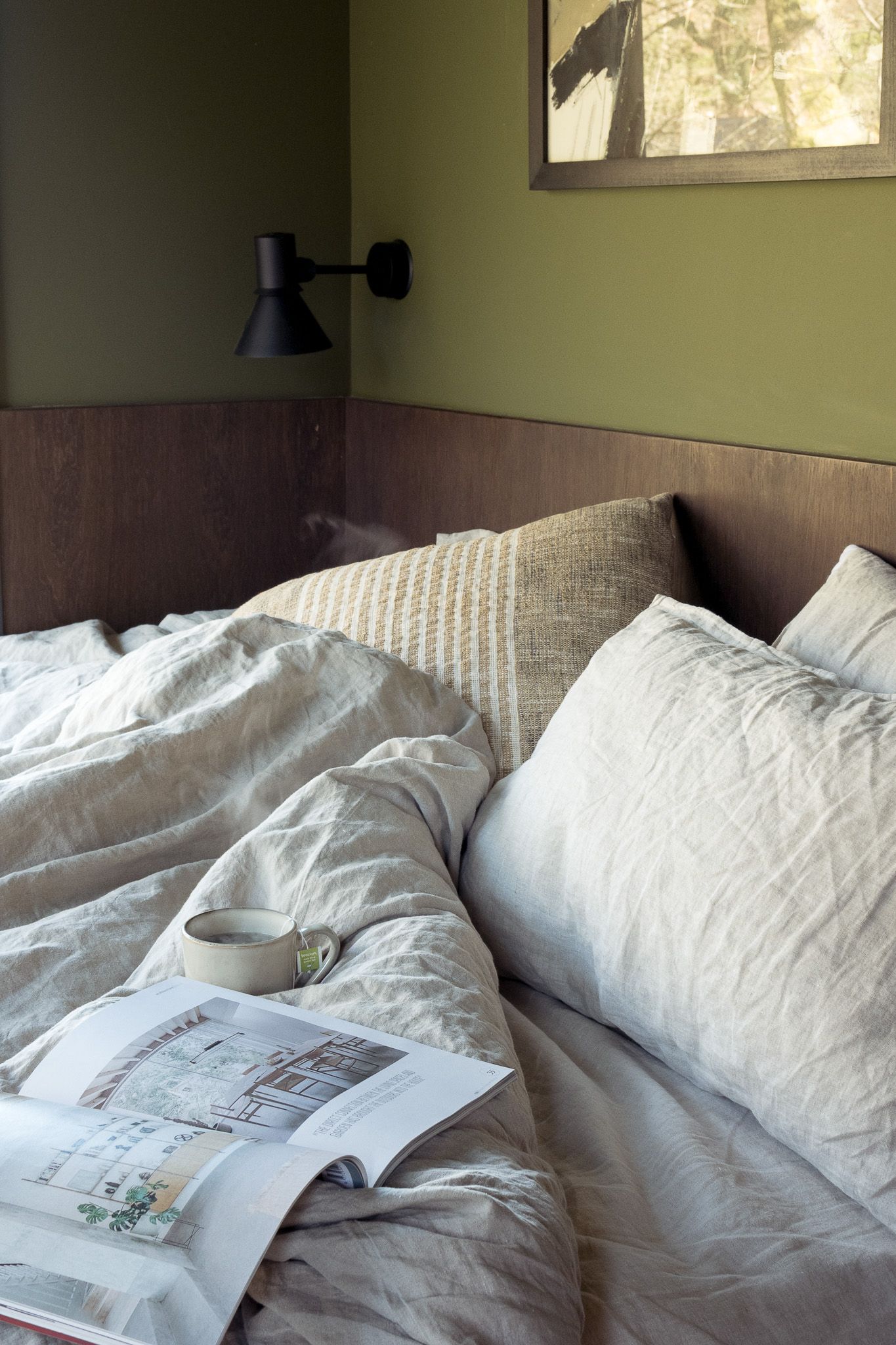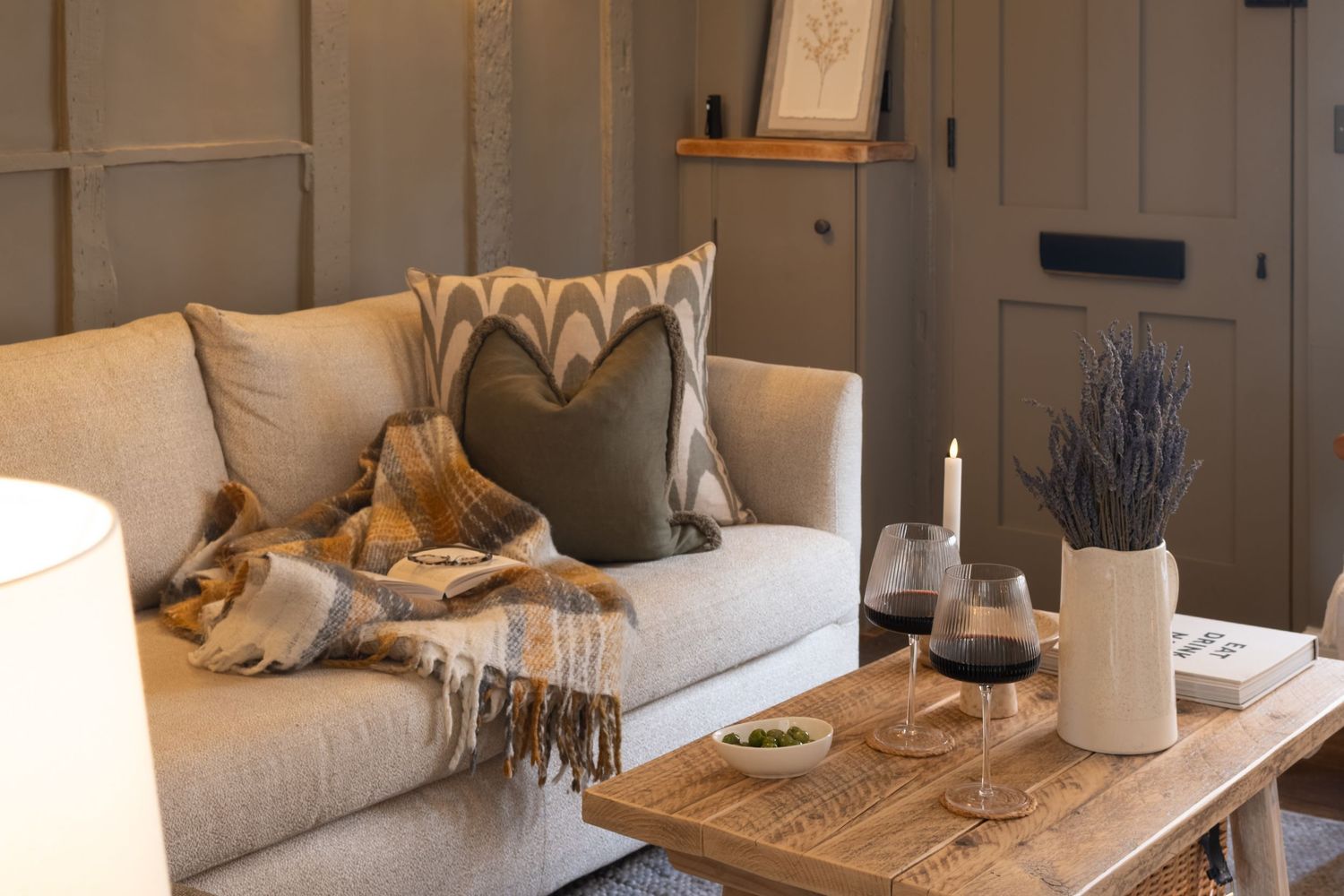
Most design-led businesses rely on at least one third-party platform to bring in enquiries. For holiday lets and hotels, it's OTAs like Booking.com and Airbnb. For estate agents, it's Rightmove and Zoopla. For interior designers, it's often Houzz, referral directories, or word of mouth passed along by a handful of contacts. Different platforms, same underlying issue: someone else owns the shop window, sets the rules, and often takes a cut - whether that's a booking commission, a listing subscription, or simply your competitor sitting one scroll above you in the same feed.
Having spent over a decade in marketing and advertising before setting up Stay Studios, the businesses that handle this best aren't the ones trying to abandon these platforms entirely - that's rarely realistic, and often not even desirable, since the reach they offer is genuinely valuable. The businesses that handle it best are the ones building a strong enough direct presence that the platform becomes one channel among several, rather than the only door into the business.
Why platform dependency is a risk, not just a cost
Beyond whatever fee or commission is attached, the bigger risk of relying on a third-party platform is that it commoditises you. On a portal or listing site, you're shown alongside direct competitors, often ranked by price, reviews or algorithm rather than by what actually makes your work distinctive. A beautifully designed property looks much like the one next to it once it's reduced to a thumbnail and a price. A brilliant interior designer's portfolio competes for attention with a dozen others in the same directory grid.
Content and social media are where that differentiation gets its voice back. Away from the platform, on your own channels, you're not competing on price or ranking - you're building a relationship with an audience who chooses to follow, engage with and eventually trust your brand specifically.
Inspire, entertain, educate
Regardless of industry, this is what content on your own channels needs to do that a portal listing never can, because people aren't opening social media to compare options - they're there to be inspired, entertained or educated.
Inspire - content that helps someone picture the outcome, not just the offering. For a hotel or holiday let, that's the atmosphere of a stay. For an interior designer, it's the transformation of a space, or the feeling a finished room creates. For an estate agent, it's picturing a life lived in a property, not just its floorplan.
Entertain - content that's worth watching on its own merits. A fast-paced renovation reveal, a behind-the-scenes look at styling a shoot, a quick "what's in this room" walkthrough. This is where short-form video typically outperforms static images, because it rewards personality and pace.
Educate - content that shares genuine expertise: how to choose a paint finish, what to check before making an offer on a property, how to style a small space. This is the content most likely to be saved and shared, and it does the long-term work of positioning your brand as the expert, not just an option in a list.
A profile built only from listing-style photography - the kind designed for a portal thumbnail - struggles to do any of this. It can show the work, but it can't inspire, entertain or educate, and those are the things that turn a passive follower into an enquiry.
UGC Content Reels by Stay Studios
Building an audience that doesn't rely on the platform
The value of this approach compounds over time in a way that platform reliance doesn't. A strong Instagram or LinkedIn following, a well-optimised website, or an engaged email list are assets you own outright. They don't disappear if a portal changes its ranking algorithm, increases its fees, or a directory decides to feature a competitor above you.
This doesn't mean walking away from the platforms that still bring in valuable enquiries. It means treating them as one part of a wider strategy, rather than the strategy itself - and putting the same care into the content nobody's forcing you to create as you do into the listing you feel obligated to keep updated.
What this looks like in practice
- Photography and video briefed specifically for your own channels, not repurposed straight from a portal listing
- A content mix built around inspiring, entertaining and educating your ideal client, not just showcasing finished work
- A clear, consistent route from your social profile or content back to your own website or enquiry form
- Treating your own channels as a long-term asset worth investing in properly, rather than an add-on to whatever platform brings in the most immediate leads
The businesses that get the most value from this shift aren't necessarily posting more. They're being more deliberate about what that content needs to do, and building it around their own brand rather than borrowing whatever's already been shot for someone else's platform.
Need help with your visual marketing?
We'd love to help you get more strategic with your visuals and content.